


Rome Transportation Guide 2026: Metro, Buses, Taxis, Tickets
Everything you need to get around Rome in 2026: which metro stops actually matter, what tickets cost, and how to survive a transit strike.
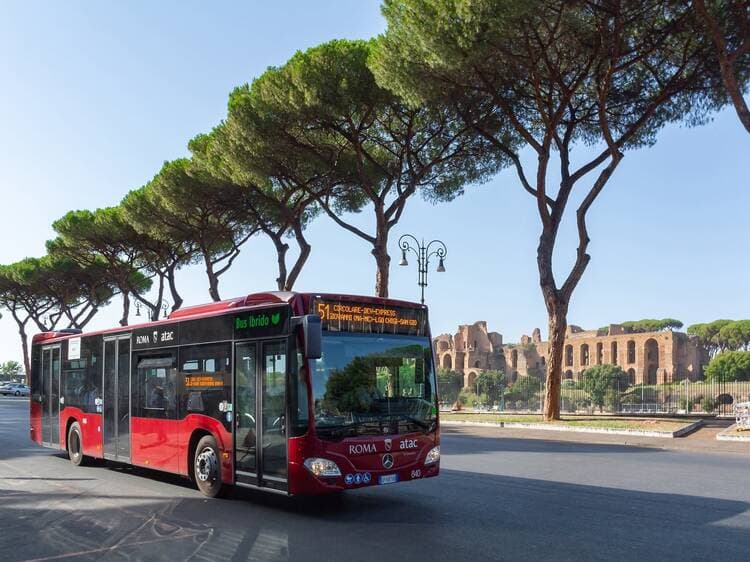
Rome's transportation system feels like it was designed by someone who never wanted anyone to relax. Two and a half metro lines for a city of nearly three million people, because every time engineers dig a new tunnel they hit a Roman villa, a stash of coins, or another mosaic floor that needs six years of study before anyone can pour concrete over it. That's not an exaggeration. It's the actual reason Line C has been under construction since 2007 and still doesn't reach the historic center. So here's what you actually need to know to get around a city where the subway map doubles as a monument to everything archaeologists haven't finished digging up.
The short version
If you're staying anywhere near the historic center, you'll walk more than you'll ride, and that's by design. The core of Rome, roughly the area inside the Aurelian Walls, is small, mostly closed to private cars, and honestly faster on foot than by bus once traffic picks up. But you'll still want public transport for the Vatican, Testaccio, EUR, or any night your feet have simply had enough. Buses cover far more of the city than the metro does. Trams are underrated. Taxis are for luggage and late nights, not for crossing town at three in the afternoon when a bus would take the same time stuck in the same traffic.
Tickets and prices for 2026
The standard ticket is the BIT (Biglietto Integrato a Tempo), 1.50 euro, valid for 100 minutes with unlimited bus and tram transfers but only one metro ride. A 24 hour pass runs about 7 euro, 48 hours around 12.50, 72 hours 18, and a weekly pass (CIS) about 24. The Roma Pass, roughly 52 euro for 72 hours, bundles transport with free entry to two sites and discounts on the rest, worth it mainly if the Colosseum and one other paid site are already on your list. Buy tickets at tabacchi shops (look for the white T sign), station machines, or the MooneyGo app, which finally makes it possible to buy a ticket without hunting for a working machine at 11pm. Whatever you buy, stamp it the first time you board. Inspectors do check, and the fine starts well above 100 euro, payable on the spot in cash or by card.
The metro: two real lines and one nobody uses yet
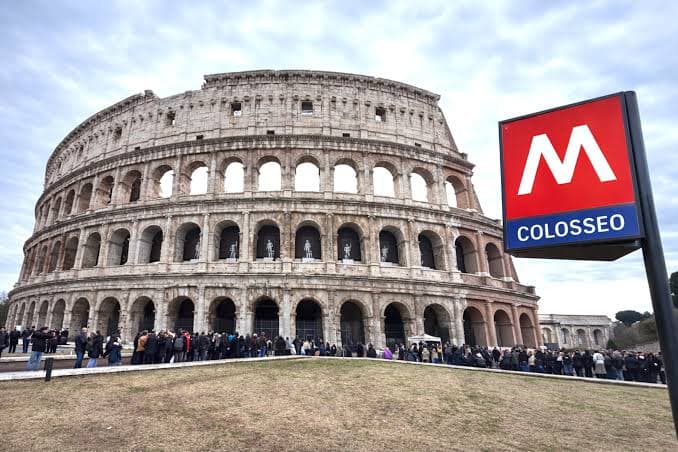
Line A (orange) runs from Battistini through Termini out to Anagnina. Line B (blue) runs from Rebibbia down to Laurentina, with a branch, B1, splitting off toward Jonio. Line C (green) sits mostly in the eastern suburbs and, as of 2026, still hasn't connected to the center, so unless you're headed to San Giovanni you can ignore it entirely. For sightseeing, the stations that matter are Colosseo on Line B, which puts you right at the Colosseum's entrance, Ottaviano-San Pietro on Line A, a ten minute walk from the Vatican Museums, Spagna on Line A at the foot of the Spanish Steps, and Barberini on Line A, close to the Trevi Fountain and Palazzo Barberini. Termini, where A and B cross, is also Rome's main train station, which means it's crowded, chaotic, and the single most active spot in the city for pickpockets working the platforms.
Buses and trams: the actual backbone
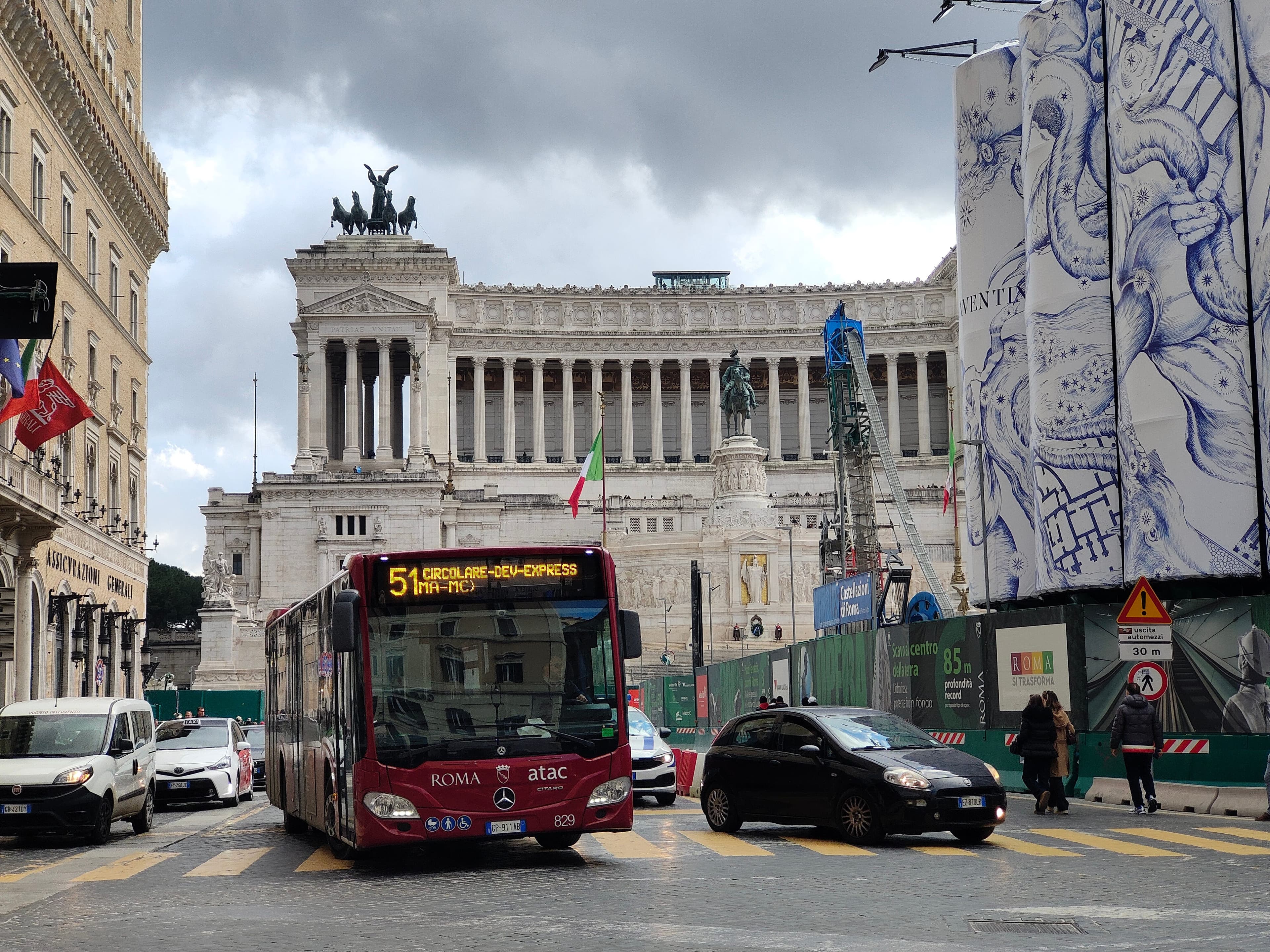
Buses do the work the metro can't, because digging under Rome is expensive and Roman bureaucracy is somehow more expensive. Routes 40 and 64 cut straight through the center toward the Vatican. Tram 8 crosses the Tiber into Trastevere from Largo Argentina, which matters because no metro line reaches Trastevere at all. Tram 3 loops from Trastevere past the Colosseum and up toward San Giovanni and the Villa Borghese area. Schedules exist on paper. In practice, 'every 10 minutes' can mean 25 once traffic on Via del Corso decides otherwise, so build in slack rather than timing your day around a printed schedule.
Buy two or three bus tickets before you leave your hotel. Validating machines onboard break constantly, and a broken machine is not a legal excuse if an inspector checks your ticket.
Taxis, car-sharing, and the airports
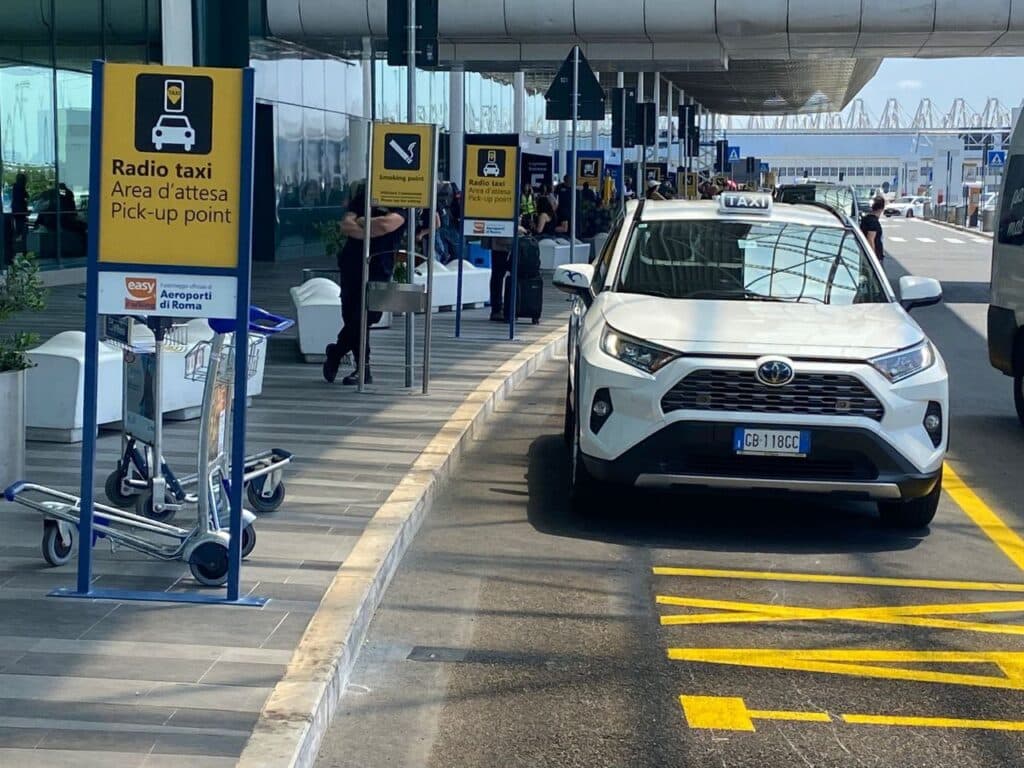
Real Roman taxis are white, licensed, and metered. Anyone offering you a ride outside baggage claim who isn't standing at the official taxi rank is not a taxi, he's a guy with a rental car and no meter, and he will charge you triple. Use the official ranks at Termini, Piazza Venezia, or near the major sites, or book through the FreeNow app, which is essentially Rome's version of ride hailing except it dispatches actual licensed taxis (Uber here is UberBlack only, at black car prices, which tells you everything about how the taxi lobby handled that fight). Car-sharing services like Enjoy and Share'ngo let you rent a car by the minute if you're desperate, but between the traffic and the parking, we've never met a visitor who found this useful.
From Fiumicino, the Leonardo Express train runs direct to Termini in 32 minutes for 14 euro, departing every 15 minutes from early morning to just before midnight. The FL1 regional train is cheaper, about 8 euro, and stops at Trastevere and Ostiense, useful if you're staying south of the center, but it runs less often and takes longer. A licensed taxi from Fiumicino to anywhere inside the Aurelian Walls runs a flat rate, 51 euro as of this writing. Confirm that number with the driver before the car moves, not after.
Ciampino has no train station of its own. Terravision and SIT both run direct buses to Termini for around 6 euro, taking 40 minutes depending on traffic. A taxi into the center is a flat 31 euro. Skip anyone offering a 'shuttle' inside arrivals who isn't at an official counter. They're not cheaper, and they're not always who they say they are.
Strikes, delays, and a few quick answers
Public transport strikes, scioperi, are close to a national pastime here, and if you're in Rome more than a couple of days you'll probably hit one. They're announced in advance and posted on ATAC's website, and they usually run through the middle of the day with service guaranteed during set morning and evening windows, typically before 8:30am and after 5pm, plus a stretch after 8pm at night. Fridays are the preferred day for a sciopero, for reasons no one in this city has ever explained to me convincingly. If you see one coming, build a walking route for that day. Rome punishes anyone without a backup plan.
A few things that come up constantly: one ticket covers both bus and metro within its 100 minute window, you don't need separate fares. Kids under 10 ride free. For anything under about two kilometers in the center, walking beats waiting for a bus almost every time. The metro runs until roughly 11:30pm on weekdays and 1:30am on Friday and Saturday nights, so plan your last ride accordingly if you're out late.
Related Articles
Ultimate Guide to Free Tours in Rome 2026
Everything you need to know about free walking tours in Rome. Learn how they work, what to expect, and why they're the best way to explore the Eternal City.
10 Best Free Things to Do in Rome
Explore Rome on a budget! Discover the top 10 free attractions and activities in the Eternal City, from the Pantheon to stunning piazzas.