


Michelangelo Never Wanted to Paint the Sistine Chapel
He called himself a sculptor, hated fresco, and thought his rivals set him up to fail. Here's the real story behind Rome's most famous ceiling.
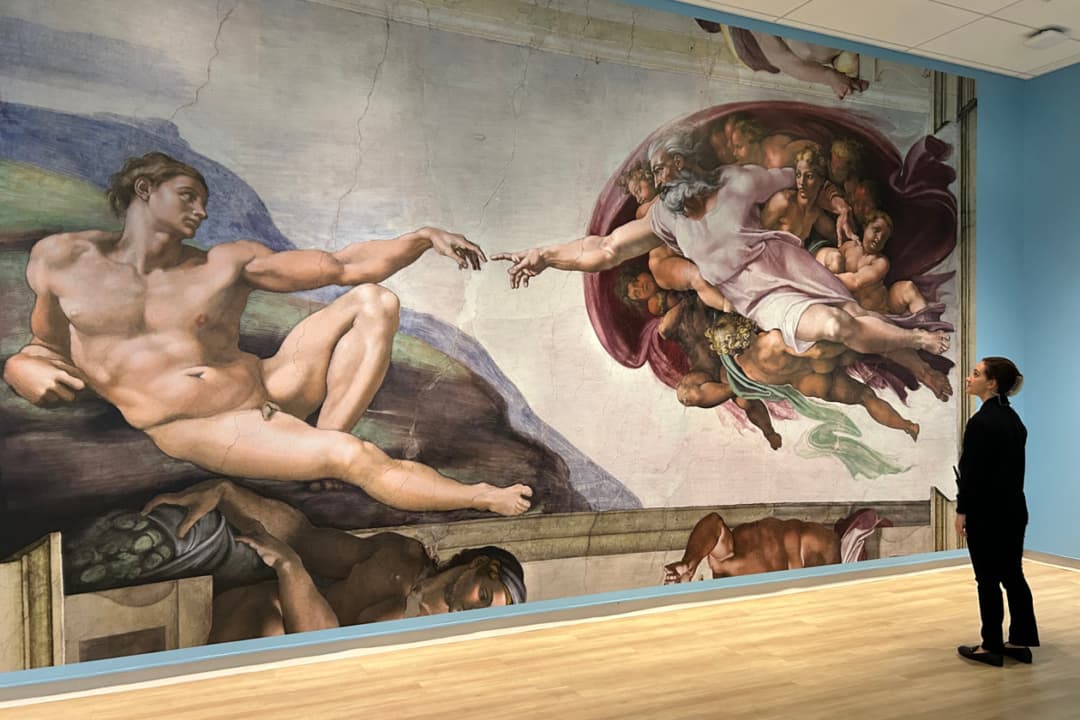
Everyone assumes Michelangelo leapt at the chance to paint the Sistine Chapel ceiling. He didn't. He fought Pope Julius II over the commission, dragged his feet for months, and later claimed the whole project was a setup engineered by jealous rivals who wanted to watch him fail in public. Whether that last part is true or just Michelangelo being Michelangelo, the ceiling almost didn't happen the way we think it did.
A sculptor, not a painter
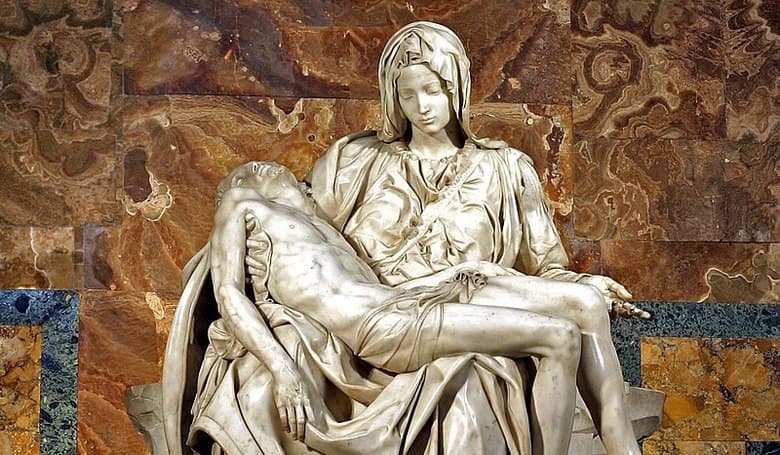
By 1508, Michelangelo had built his name on marble. He'd finished the Pietà in Saint Peter's and the David in Florence, and he wanted to keep carving, not mixing plaster. He had trained briefly under the painter Ghirlandaio as a teenager, but he considered fresco beneath him, a craftsman's trade compared to the god-work of freeing a figure from stone. Even while lying on his back under the ceiling, he signed letters to friends as "Michelangelo, sculptor," a small act of protest scrawled into his correspondence for four straight years.
The pope who wouldn't take no
What Michelangelo actually wanted was to build Julius II's tomb, a monster project with 40 marble statues that would have kept him busy for a decade. Julius shelved it and ordered the ceiling instead. Some of Michelangelo's contemporaries, including his biographer Vasari, later claimed that the architect Bramante and the painter Raphael pushed the pope toward Michelangelo specifically because he had almost no fresco experience. If he flopped, his reputation as Rome's greatest sculptor would take the hit along with it. Michelangelo believed this. He said so, more than once, and never quite forgave either man for it.
Four years with paint in his beard
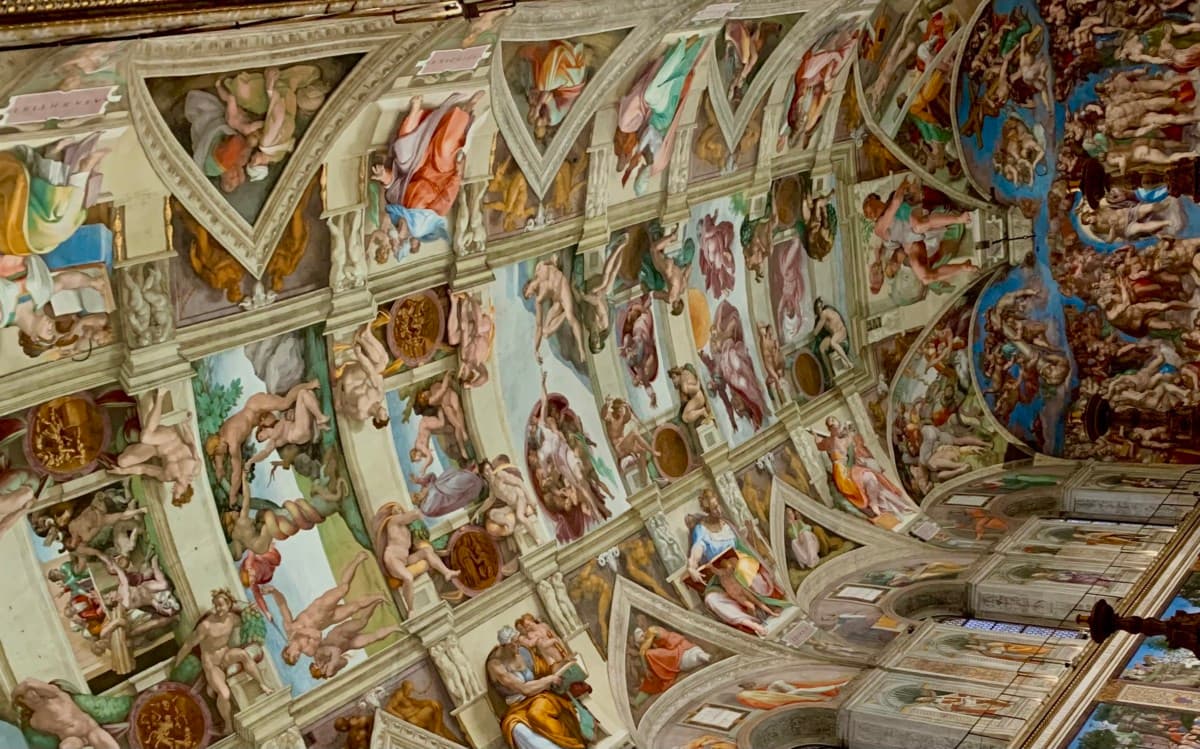
Bramante's original scaffold design would have punched holes straight through the ceiling to suspend ropes from above. Michelangelo scrapped it and built his own system of brackets anchored to the walls near the tops of the windows, freestanding and clever enough that it became the standard method for later restorers. He wasn't lying flat on his back the whole time, as the popular image goes. He stood, leaning backward with his neck bent, arms raised over his head for hours. Rome's damp winters caused mold to bloom across an early section of plaster, ruining weeks of work and forcing him to strip it and start over. Paint dripped into his eyes and beard so often that he wrote a sarcastic poem to a friend, Giovanni da Pistoia, describing his stomach forced up near his chin, his beard pointing at the sky, and a beard "like a goiter" from the strain of the position.
If your neck starts aching after five minutes of looking up at the ceiling, that's the point. Michelangelo felt it for four years. Bring a small mirror or just accept the ache, and budget more time than you think you'll need, the Sistine Chapel is smaller in person than photos suggest, and it gets packed fast after 10am.
He quit at least once
In 1506, before the ceiling even started, Michelangelo got so fed up with Julius II's demands and unpaid bills that he left Rome altogether and fled to Florence. The pope threatened to invade Florence over it, not entirely a joke given who Julius II was, and Michelangelo eventually came crawling back under pressure from the Florentine government, who had no interest in a war over one temperamental artist. During the ceiling project itself he clashed constantly with the pope about pacing, reportedly telling Julius the work would be finished "when it is finished," which is either brave or suicidal depending on how you read Renaissance papal politics.
He came back for more, decades later
The strangest part of the story is that Michelangelo returned to the same room 23 years later, older and angrier, to paint The Last Judgment on the altar wall. By then Rome had been sacked by imperial troops, the Reformation had split the church, and Michelangelo's view of humanity had curdled considerably. Look for the flayed skin held up by Saint Bartholomew in the lower right of the fresco. The face on that empty skin is Michelangelo's own, a self portrait as a discarded husk. Whatever he felt about painting that ceiling the first time, by the second round he'd stopped pretending it was anything but exhausting.
The ceiling gets all the postcards, but knowing what it cost the man who made it changes how you look at it. Next time you're craning your neck under the Creation of Adam, remember you're looking at four years of a sculptor's resentment, translated into the most famous fresco on earth.
Related Articles
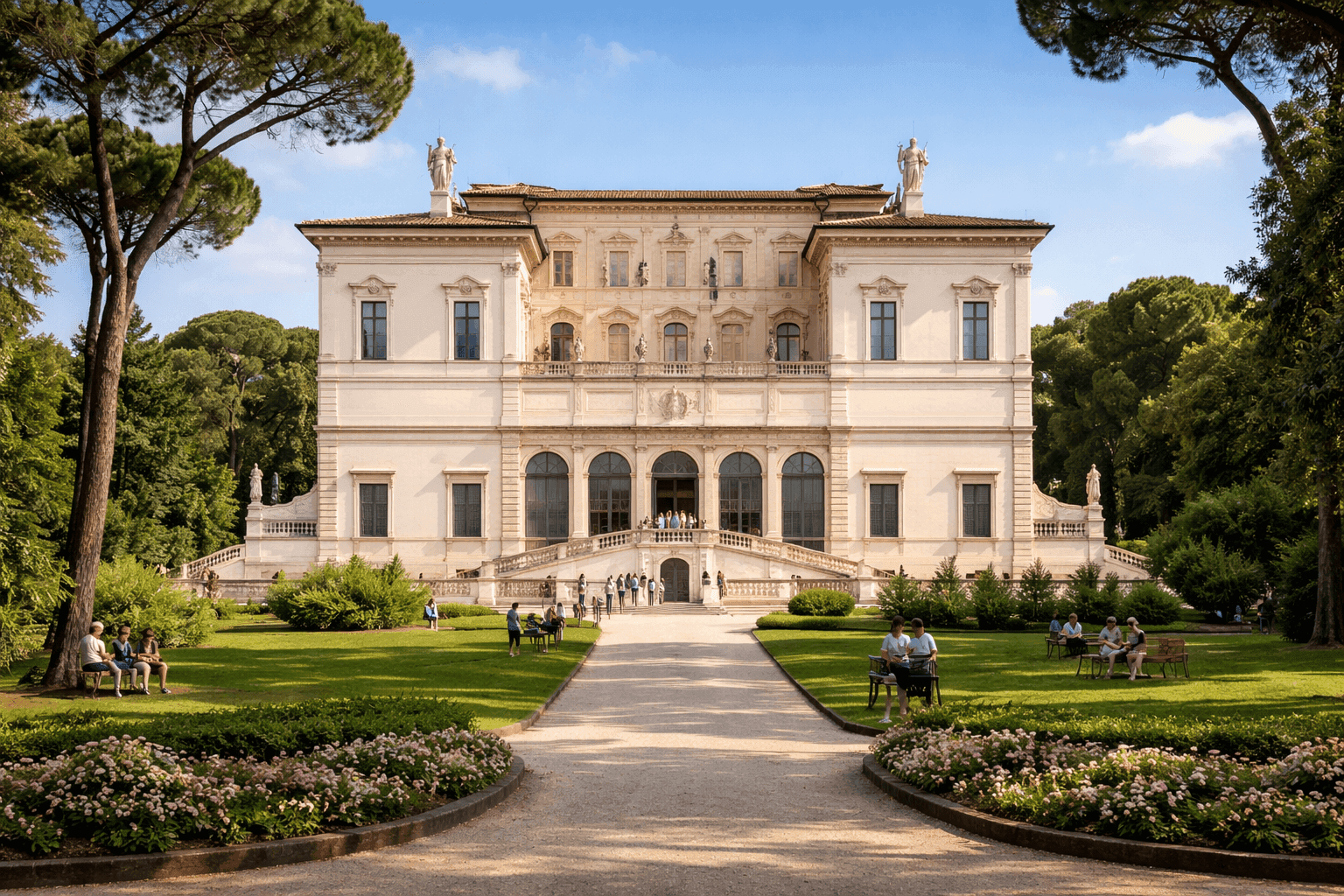
The History of Villa Borghese: From Cardinal Scipione to Now
How a cardinal's private pleasure garden, built on stolen art and papal money, became Rome's biggest public park.
Villa Borghese Park: What to See for Free (Lake, Pincio, Zoo)
The Galleria Borghese needs a ticket. The 200 acres around it don't. Here's what to see in Villa Borghese park without paying a cent, and the one thing that costs extra.
Villa Borghese with Kids: Places to Visit and Things to Do
Rome's biggest park has a zoo, a lake with rowboats, bike paths, and a puppet theater older than most Roman grandparents. Here's how to use it with kids in tow.